How Genetics Shape Your Smile
페이지 정보

본문
Tooth alignment is often thought of as a matter of braces and orthodontic treatment, but the foundation for how teeth sit in the jaw is largely shaped by inherited traits. From the maxillary and mandibular structure to the number and positioning of teeth, genetic factors play a significant role in determining whether someone will need orthodontic care. Parents who had overlapping dentition, gaps, protruding upper teeth, or Class III malocclusion are more likely to have children with comparable dental patterns. These characteristics are passed down through genes that control skeletal development, enamel and dentin volume, and the dental development schedule.
The jawbone itself is influenced by DNA-driven development. A small jaw may not have enough space for all the permanent teeth, leading to crowding. Conversely, a expanded arch might leave too much room, resulting in diastema formation. The relationship between the upper and lower jaws, known as the occlusion, is also genetically determined. An excessive vertical overlap occurs when the upper teeth cover the lower ones, while an anterior crossbite happens when the lower teeth extend beyond the upper. These conditions are often familial and can be observed in family lineages.
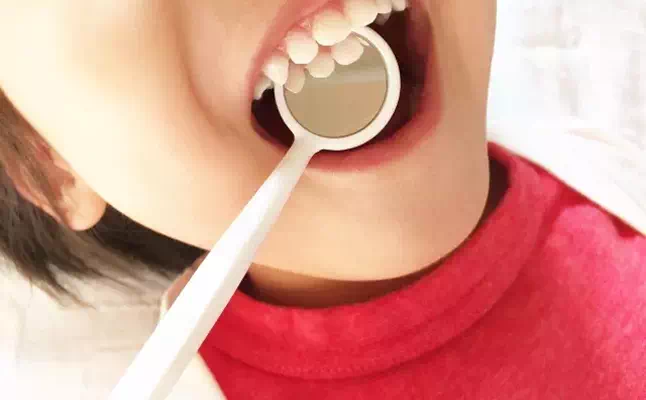
Even the number of teeth can be inherited. Some people are born with supernumerary teeth, a condition called hyperdontia, while others may have congenitally missing teeth, such as the lower premolars or maxillary lateral incisors. These variations are tied to genetic mutations and can affect how teeth arrange themselves and how the jaw forms.
Environmental factors like digit sucking, prolonged pacifier use, or chronic oral respiration can influence tooth alignment, but they typically act on a inherited framework. For example, a child with a DNA-driven maxillary constriction may be more prone to developing a unilateral or bilateral malocclusion if they habitually breathe orally. Genetics determine the potential, and habits and routines can either intensify or 鐘ヶ淵 歯科矯正 alleviate the outcome.
Because genetics play such a pivotal part, orthodontists often look at genetic background when evaluating a patient. Early intervention, such as using pulpally preserved retainers or orthopedic arch wideners in children, can influence maxillary expansion and minimize reliance on more extensive treatment later. However, even with timely intervention, some misalignments will still require braces or other devices because the genetically encoded anatomy cannot be entirely reversed.
Understanding the genetic influence on tooth alignment helps explain why malocclusions are so common and why they tend to appear across generations. It also highlights the necessity of early intervention. While we can’t change our genes, we can use modern dental science to work with them, ensuring that even those with a high hereditary risk to misalignment can achieve a balanced, confident bite.
- 이전글Турниры в онлайн-казино {криптобосс казино официальный сайт}: простой шанс увеличения суммы выигрышей 26.01.27
- 다음글2026년 강남풀싸롱 추천 O1O=747O=3211 이쁘고 친절한하늘실장 강남룸싸롱 강남풀사롱 선릉풀싸롱 역삼풀싸롱 미러초이스 강남매직미러 선릉셔츠룸 강남더킹 강남풀싸롱 강남야구장 역삼야구장 26.01.27
댓글목록
등록된 댓글이 없습니다.