Understanding the Impact of Orthodontics on Speech Development
페이지 정보

본문
Orthodontic treatment plays a significant role in shaping not only the alignment of teeth and jaw structure but also how a person speaks.
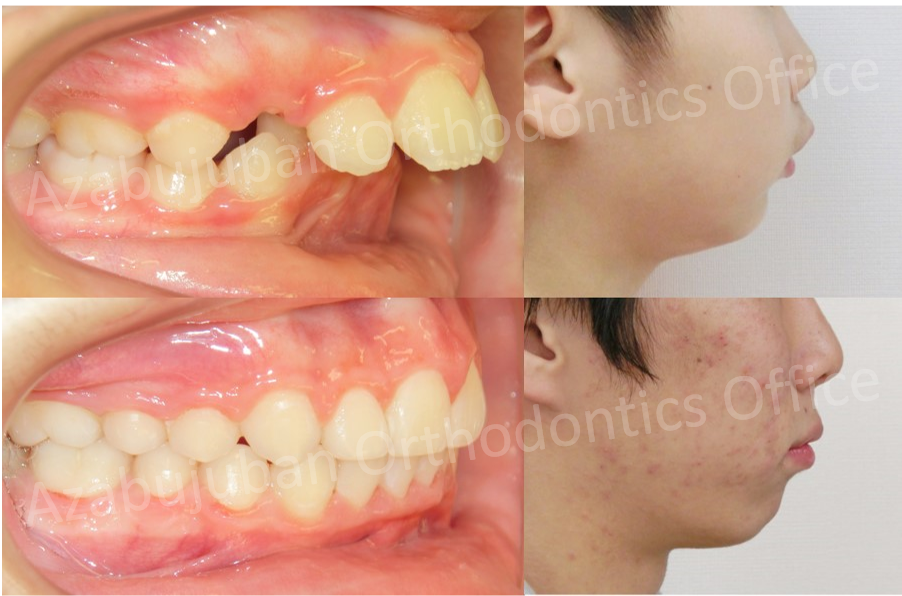
While many people associate braces and other orthodontic appliances with cosmetic improvements, their influence on speech development is equally important, especially in children and adolescents whose speech patterns are still forming.
Improper dental positioning often hinders the natural movement of oral structures, leading to difficulties in forming specific speech sounds.
For example, an open bite where the front teeth do not meet can make it difficult to pronounce sounds like s and t clearly.
Similarly, a severe overbite or underbite may cause lisping or slurring because the tongue cannot make proper contact with the roof of the mouth or teeth.
Through controlled, incremental adjustments, orthodontics restores proper dental and skeletal relationships to support normal speech mechanics.
With improved dental alignment, articulation tends to become more precise without additional intervention, as the mouth’s biomechanics normalize.
Early orthodontic correction, paired with targeted speech exercises, can accelerate articulation gains in children with persistent phonological errors.
Although orthodontics ultimately enhances speech, patients often experience a brief adaptation phase after initial appliance placement.
Some patients may experience mild difficulty speaking clearly or feel self conscious about their voice during the initial weeks.
These transitional speech difficulties typically resolve within days or weeks as oral musculature recalibrates to the appliance.
In adults, orthodontic treatment can also improve speech, particularly if long standing dental issues have led to compensatory speech patterns.
Addressing the root dental cause of speech difficulties often leads to lasting improvements in clarity and 東京 前歯矯正 self-assurance during verbal interaction.
Identifying potential speech-affecting issues early is critical for optimal development.
Experts advise scheduling an orthodontic screening no later than age seven to detect emerging concerns.
By age seven, specialists can spot skeletal or dental anomalies that could impair articulation or facial development.
Proactive correction of bite issues in childhood often eliminates the need for invasive procedures and extended speech remediation later in life.
The true purpose of orthodontics extends well beyond aesthetics to encompass essential physiological functions.
Proper dental alignment supports not only eating and speaking but also airway health and muscular efficiency.
As speech clarity improves through orthodontic correction, individuals experience enhanced social engagement, stronger self-esteem, and more effective verbal expression across all stages of life.
- 이전글레드벳주소 【위너보증.com / 가입코드 9122】 레드벳주소 26.01.28
- 다음글Fortnite Crew Pack: February 2025 Revealed 26.01.28
댓글목록
등록된 댓글이 없습니다.